


 The high(ish) price tag on Helichrysum Italicum Essential Oil has a reason behind it: Helichrysum is a powerhouse oil and it’s so widely used that it’s now in shorter and shorter supply (7). Actually, true Helichrysum Italicum Oil, also known as Immortelle, is grown only in a few spots around the world and is unsurpassed in its ability to rejuvenate the look of healthy, unblemished skin.
Helichrysum originally comes from the Mediterranean, where this plant has been used for its medicinal properties for thousands of years, especially in countries like Italy, Spain, Turkey, Portugal, and Bosnia and Herzegovina (3).
 Modern research is beginning to explore some of the properties traditionally associated with Helichrysum. Laboratory studies have investigated the antioxidant and antimicrobial activity of Helichrysum and several of its naturally occurring constituents. It contains the major constituents of:
- a-Pinene
- Gamma-Curcumene
- Neryl acetate
- B-Selinene
- Italidione I
- B-Caryophyllene
- ar-Curcumene
- Italicene
Because of these useful chemical components, this essential oil can be used in many, many different ways to help support health (6). Some of its most popular uses are for soothing skin, digestive upset, supporting the nervous system, and helping with respiratory issues (1).
1. It’s great for your skin’s health.
 One scientific review found that Helichrysum’s flavonoids and terpene compounds were effective in fighting against certain bacteria that can cause issues ranging from minor skin rashes to much more serious problems (4).
Thanks to Helichrysum’s soothing properties, people also frequently use this essential oil on scars to discourage inflammation and keep skin healthy.
To use Helichrysum Essential Oil for soothing the skin, combine 7-9 drops with one Tbsp carrier oil (like Fractionated Coconut Oil or Jojoba Oil) and rub the mixture onto the area of concern. This is great for use on irritated skin, redness, scars, blemishes, rashes, and shaving irritation. And if you have a rash or poison ivy, applying Helichrysum mixed with Lavender Essential Oil can help cool and soothe itching.
2. It helps boost your skincare routine.

Another great way to use Helichrysum Essential Oil is on the skin as a natural way to help keep skin healthy and blemish-free.
Helichrysum makes a great addition to your daily skin routine. The added benefit to this oil is that it works without drying the skin, or causing any other irritating side effects (like the ones by harsh chemical acne treatments or medications).
3. It’s a natural way to help keep your stomach feeling great.
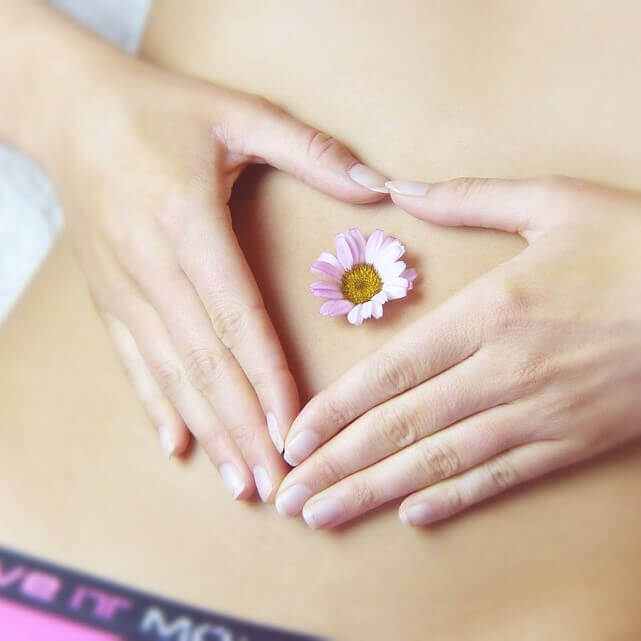 Helichrysum can help stimulate the secretion of gastric juices that are needed to break down food and prevent indigestion. For example: For thousands of years in Turkish folk medicine, the oil has been used as a diuretic, helping to avoid feelings of bloating by helping draw out excess water out of the body, and for relieving stomachaches (3).
The flowers of Helichrysum Italicum is also a traditional remedy for intestinal complaints and have been used historically as a herbal tea for relieving digestive, stomach-related issues.
4. It helps soothe skin after bug bites.
Helichrysum Essential Oil is a great choice for skin that feels irritated or uncomfortable after a bug bite. When properly diluted, it can be applied topically to help calm and comfort the affected area while supporting healthy-looking skin.
5. It offers comforting emotional support.

With its warm, herbaceous aroma, Helichrysum Italicum Essential Oil is a beautiful choice for moments of relaxation and reflection. Diffusing it can help create a peaceful, comforting environment that supports a sense of calm and emotional balance.
Sources:
- Daniela, R. Formisano, C. Senatore, F. Piacente, S. Pagano, E. Capasso, E. Borrelli, F. Angelo A. (2013) Intestinal antispasmodic effects of Helichrysum italicum (Roth) Don ssp. italicum and chemical identification of the active ingredients. Journal of Ethnopharmacology.
- Martinez-de Oliveira, J. (2014) Helichrysum italicum: from traditional use to scientific data. Journal of Ethnopharmacology.
- Nostro A, Bisignano G, Angela Cannatelli M, Crisafi G, Paola Germanò M, Alonzo V. (2001) Effects of Helichrysum italicum extract on growth and enzymatic activity of Staphylococcus aureus. International Journal of Antimicrobial Agents.
- Robbins, W. (2018) Helichrysum Essential Oil (Immortelle Essential Oil). AromaWeb.
- Tisserand, R. (1995) Essential Oil Safety.
- Tisserand, R. (2014) Robert Tisserand Interviewed on Ingestion, Dilution and Other Safety Issues. Robert Tisserand.


